
Why the Choice Matters
Your first drum set shapes how you learn. Acoustic and electronic kits feel different under the stick, sound different in the room, and fit different lifestyles. Understanding those differences early helps you make a confident choice.
Acoustic Drum Sets
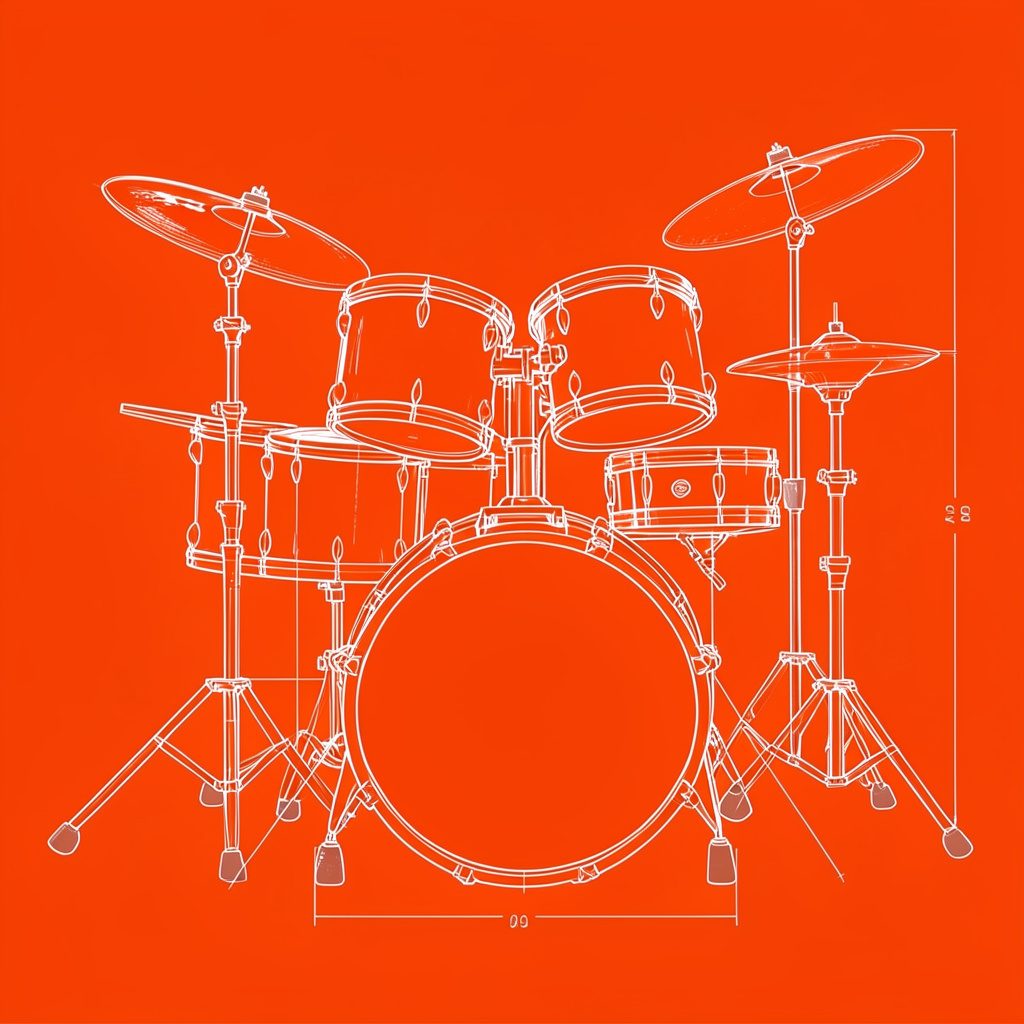
Acoustic drums produce true, natural sound without digital synthesis. When you strike a drumhead, the shell resonates and projects sound through the air — the way drums have worked for decades. This gives you an authentic playing experience with full dynamic range.
- Rich, organic tone that responds to every nuance of your playing.
- No need for amplifiers or headphones to be heard.
- Typically louder and heavier — something to consider for practice spaces.
Electronic Drum Sets
Electronic drums use rubber or mesh pads that trigger digitally sampled sounds. They are a practical option when budget or noise constraints are a concern. Modern modules offer a wide range of kit sounds and built-in practice tools.
- Play quietly with headphones — ideal for apartments and shared spaces.
- Compact footprint; easier to transport and store.
- Built-in metronomes, coaching features, and recording capabilities.
Quick Comparison
| Factor | Acoustic | Electronic |
|---|---|---|
| Sound | Natural, resonant | Digitally sampled |
| Volume control | Limited (dampening pads) | Headphone output, volume knob |
| Space needed | Larger footprint | Compact, foldable racks |
| Maintenance | Head tuning, occasional replacement | Minimal; pad and cable checks |
| Budget entry | Moderate to high | Wide range, including budget-friendly |
Making Your Decision
If you have a dedicated practice space and want the truest drumming feel, acoustic may be your path. If you need flexibility, lower volume, and a gentler entry price, electronic drums are worth a close look. Many drummers start on one and eventually add the other as their skills and circumstances grow.
Whichever route you take, the most important step is simply to start playing.
When choosing between an acoustic drum set and an electronic drum kit, beginners should consider their living situation and practice environment. Acoustic drums produce natural, resonant sound that fills a room with authentic tone and dynamic range. They require space and consideration for neighbors, as the volume can be substantial. Electronic drums offer the advantage of silent practice through headphones, making them ideal for apartment dwellers or late-night playing. The feel of electronic drum pads has improved dramatically over the years, providing a satisfying playing experience while keeping noise contained. Both options can serve a drummer well throughout their musical journey.
The sound quality of an acoustic drum set comes from the physical vibration of shells and heads, creating a rich, organic tone that many drummers find irreplaceable. Each drum has its own voice, shaped by wood type, shell thickness, and tuning. Electronic drum kits rely on recorded samples or synthesized sounds triggered by pads, offering access to a vast library of drum sounds and effects at the push of a button. This versatility allows electronic drummers to switch from a jazz kit to a rock setup instantly, without changing any physical components. The choice often comes down to whether you prioritize authentic acoustic resonance or sonic flexibility.
For drummers who plan to record music or perform with backing tracks, electronic drums present clear advantages. They connect directly to recording software and audio interfaces, making it simple to capture clean, professional-sounding takes without microphone placement concerns. Electronic kits also integrate easily with music apps and mobile devices, allowing drummers to practice along with their favorite songs or metronome tracks. Acoustic drums require careful microphone setup and a treated room for quality recording. However, the live feel of playing acoustic drums in a band setting remains unmatched, as the sound projects naturally without amplification.
Maintenance and long-term costs differ significantly between the two types of drum sets. Acoustic drums require periodic replacement of drumheads, tuning adjustments, and occasional hardware repairs. The natural wear of sticks on heads and cymbals is part of the ongoing expense. Electronic drums need less frequent maintenance, though pads may wear out over time and sensors can require service. The initial investment for a quality electronic kit can be higher than a comparable acoustic beginner set, but the lack of ongoing head replacement costs balances this over time. Both options represent a worthwhile investment in a musician's development and creative expression.
The physical playing experience shapes how a drummer develops their technique and muscle memory. Acoustic drums respond to every nuance of stick velocity and striking position, offering a dynamic range that rewards sensitive playing. Electronic drums provide consistent triggering across the pad surface, which can help beginners focus on timing and rhythm without worrying about dead spots. However, electronic kits may not fully prepare a drummer for the subtle rebound differences of acoustic drum heads. Many educators recommend starting with an acoustic set when possible, then adding electronic components later. The best choice ultimately depends on each drummer's goals, space, and commitment to their musical path.